The 2010s were a transformative decade for digital design. From the death of skeuomorphism to the rise of design systems, the way we create user interfaces has fundamentally changed. Here is a look back at the trends that defined the era.
2010-2013: The Flat Design Revolution
Apple's iOS 7 in 2013 marked the definitive end of skeuomorphic design. The realistic textures, shadows, and 3D effects that had dominated interfaces gave way to flat, minimalist aesthetics. Microsoft's Metro design language had pioneered this direction, but Apple's adoption made it universal.
2014-2015: Material Design
Google's Material Design brought structure to flat design with a physical metaphor — digital surfaces that behave like paper and ink. Material Design introduced consistent elevation, motion, and interaction patterns that became the standard for Android and web applications.
2016-2017: The Mobile-First Mandate
Responsive design evolved from a best practice to an absolute requirement. Google's mobile-first indexing forced every web designer to prioritize small screens. Hamburger menus, card-based layouts, and thumb-friendly navigation became the norm.
2017-2018: Design Systems at Scale
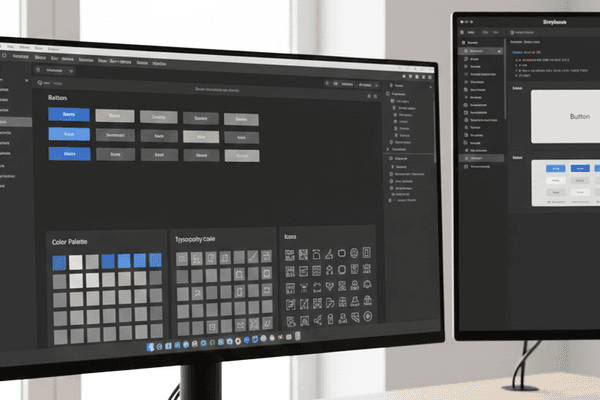
As organizations built multiple products across platforms, the need for consistency drove the adoption of design systems. Companies like Airbnb, IBM, and Shopify published comprehensive design systems that standardized components, patterns, and principles.
Design systems solved the problem of inconsistency at scale while dramatically accelerating design and development workflows.
2018-2019: Dark Mode and Accessibility
Dark mode went from a developer preference to a mainstream feature. Apple, Google, and Microsoft all introduced system-wide dark mode support, and users overwhelmingly adopted it.
Simultaneously, accessibility moved from an afterthought to a core design principle. WCAG 2.1 guidelines raised the bar for inclusive design, and companies began treating accessibility as a competitive advantage.
Key Learnings from the Decade
The most important insight from the past decade is that design is not about aesthetics — it is about solving problems. The best designs are those that make complex tasks simple, reduce cognitive load, and respect users' time and attention.
Principles That Endure
- Simplicity wins — The most successful interfaces are the simplest ones
- Consistency builds trust — Design systems ensure predictable experiences
- Accessibility is not optional — Inclusive design benefits everyone
- Performance is a design choice — A beautiful interface that loads slowly is a bad interface
As we enter the 2020s, these principles will continue to guide great design, even as the tools and technologies evolve.