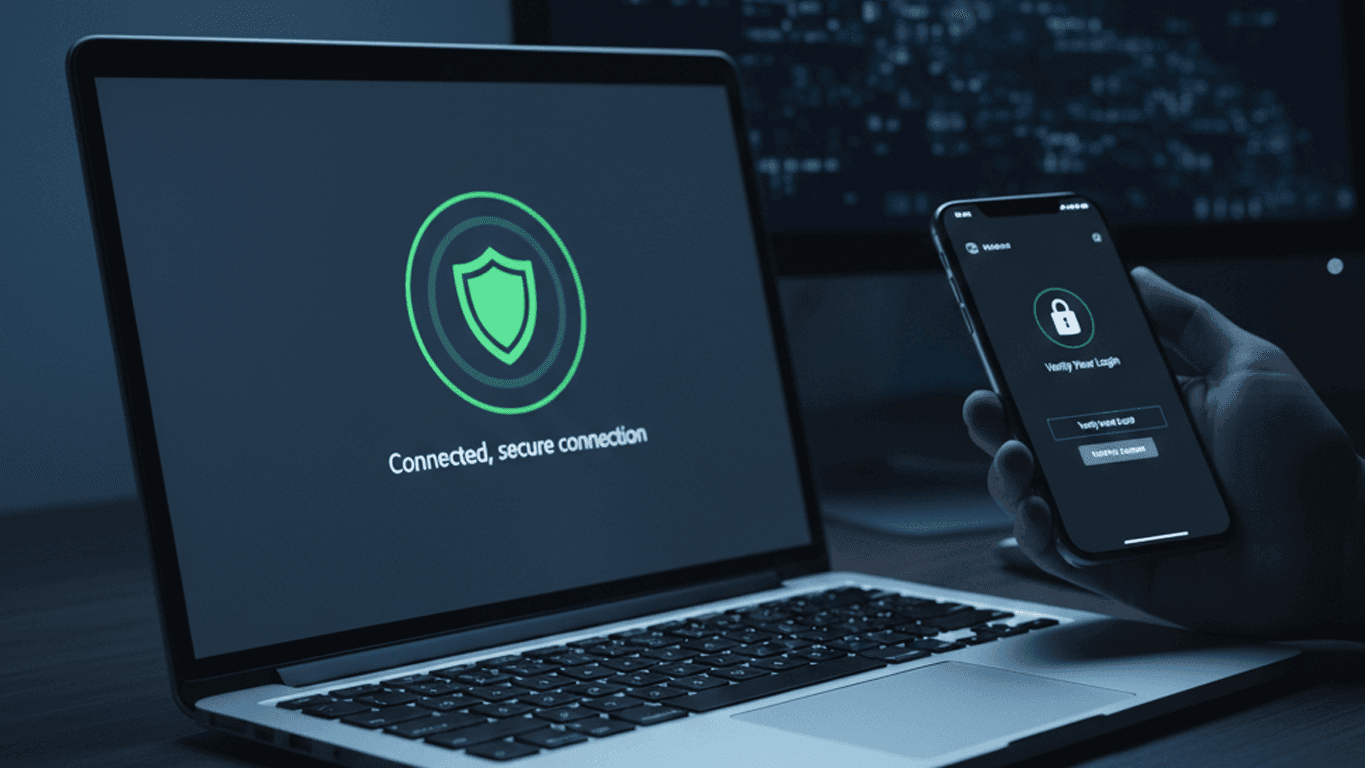
The shift to remote work expanded the attack surface for every organization. Employees connecting from home networks, using personal devices, and accessing company resources from coffee shops create security challenges that traditional perimeter-based security cannot address.
The New Threat Landscape
Remote work introduces several security risks:
- Unsecured home networks without enterprise-grade firewalls
- Personal device usage that may lack proper security controls
- Phishing attacks that exploit pandemic anxiety and remote work confusion
- Shadow IT — employees using unauthorized tools and services
- Physical security — screens visible to family members or roommates
Essential Security Practices
Zero Trust Architecture
The traditional security model assumed everything inside the corporate network was trusted. Zero Trust assumes nothing is trusted and verifies every access request:
- Verify identity for every request
- Enforce least-privilege access
- Assume breach and minimize blast radius
- Log and inspect all traffic
Multi-Factor Authentication (MFA)
MFA should be mandatory for all company systems. A compromised password alone should never be sufficient to access sensitive resources. Prefer hardware security keys or authenticator apps over SMS-based MFA.
VPN and Encrypted Connections
All remote access should go through encrypted connections. Modern solutions include:
- Corporate VPN for accessing internal resources
- Zero Trust Network Access (ZTNA) as a VPN alternative
- End-to-end encrypted communication tools
Endpoint Security
Every device accessing company resources should have:
- Updated operating systems and applications
- Endpoint Detection and Response (EDR) software
- Full disk encryption
- Remote wipe capability
Security Awareness Training
Technical controls are only part of the equation. Regular training helps employees recognize and avoid phishing attempts, social engineering, and other attacks that target human behavior.
Incident Response for Remote Teams
Having an incident response plan is critical. Remote teams need:
- Clear escalation paths — Who to contact when a security incident occurs
- Communication channels — Secure backup communication for when primary channels are compromised
- Regular drills — Practice responding to simulated incidents
- Documented procedures — Step-by-step guides accessible during high-stress situations
Building a Security Culture
Security is everyone's responsibility, not just the IT team's. Foster a culture where employees feel comfortable reporting suspicious activity without fear of blame. Regular communication about threats and best practices keeps security top of mind.
The organizations that treat security as a shared responsibility rather than a compliance checkbox are the ones that best protect their data and their customers.