The technology sector is responsible for approximately 4% of global carbon emissions — comparable to the airline industry. As software becomes more pervasive and AI workloads more compute-intensive, the environmental impact of software engineering decisions is growing.
The Software Carbon Footprint
Every line of code that executes consumes energy. The carbon footprint of software comes from:
- Data centers — Powering and cooling servers
- Network infrastructure — Transmitting data across the internet
- End-user devices — Processing on phones, laptops, and IoT devices
- Development infrastructure — CI/CD pipelines, development environments, testing
Why It Matters for Business
Cost Reduction
Energy-efficient software is cheaper to run. Optimizing resource usage directly reduces cloud computing bills. Companies that take sustainability seriously often discover significant cost savings.
Customer Expectations
Consumers and businesses increasingly prefer partners with strong environmental commitments. Sustainability is becoming a competitive differentiator.
Regulation
Environmental regulations are expanding to include the technology sector. Being ahead of regulatory requirements avoids compliance costs and positions companies favorably.
Sustainable Software Practices
Efficient Code
- Write algorithms that minimize computational complexity
- Avoid unnecessary data processing and transfers
- Use caching to reduce redundant computations
- Choose efficient data structures and storage formats
Right-Sized Infrastructure
- Scale infrastructure to match actual demand, not peak capacity
- Use auto-scaling to eliminate idle resources
- Choose energy-efficient cloud regions (those powered by renewable energy)
- Containerize applications for better resource utilization
Optimized Data Practices
- Implement data retention policies to avoid storing unnecessary data
- Compress data in transit and at rest
- Use efficient serialization formats
- Process data at the edge to reduce network transfer
Green Hosting
- Choose cloud providers committed to renewable energy
- Use serverless computing to share resources efficiently
- Prefer regions with lower carbon intensity grid power
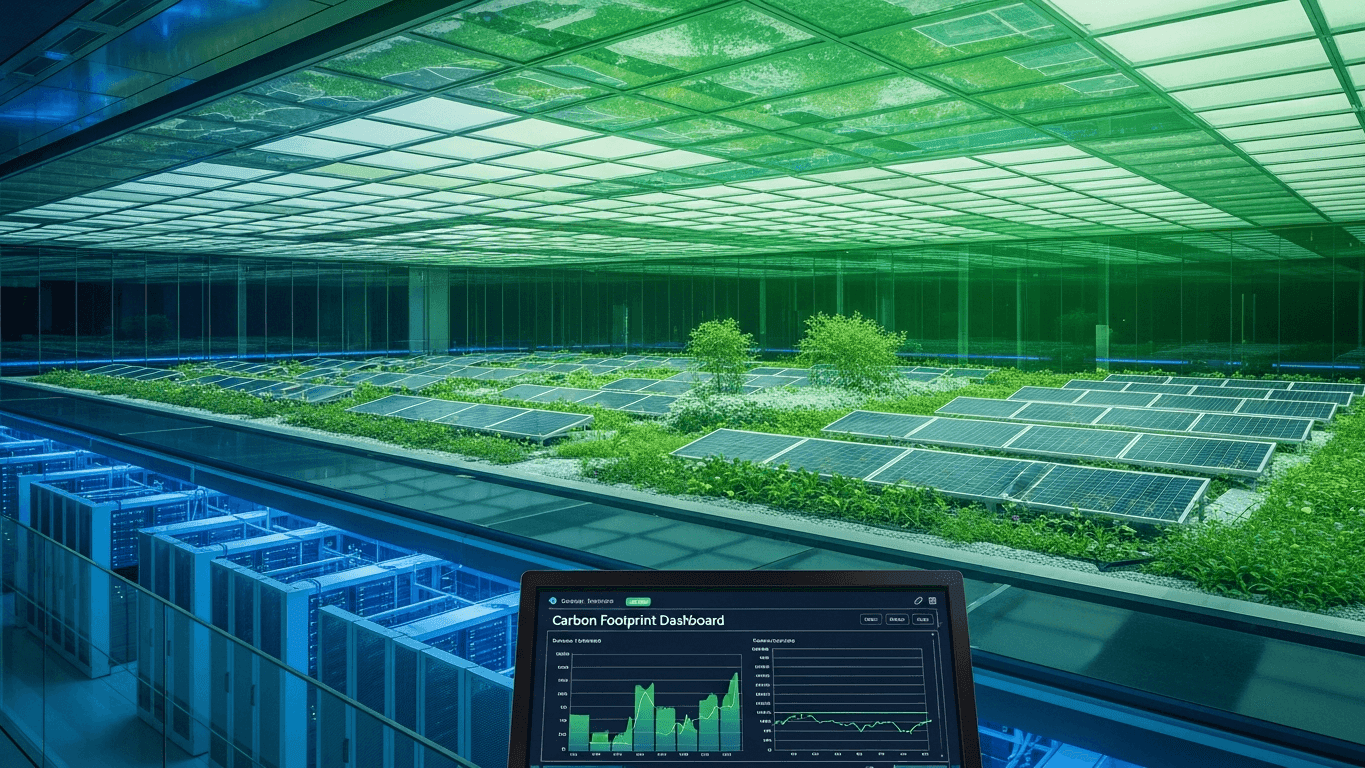
- Monitor and report on your application's carbon footprint
Measuring Impact
The Green Software Foundation provides tools and frameworks for measuring software carbon emissions:
- Software Carbon Intensity (SCI) — A metric for measuring the carbon efficiency of software
- Carbon-aware computing — Schedule workloads when the grid is powered by renewable energy
- Green Software Patterns — A catalog of best practices for reducing software carbon
Our Commitment
At Xelent Solutions, we are integrating sustainability into our development practices. We optimize application performance not just for user experience but for environmental impact. Efficient software that uses fewer resources is better software — for users, for businesses, and for the planet.
Sustainable software engineering is not a niche concern — it is becoming a core competency that responsible technology companies must develop.