JAMstack — JavaScript, APIs, and Markup — is an architecture designed to make the web faster, more secure, and easier to scale. By pre-rendering pages and serving them from CDNs, JAMstack sites eliminate the complexity and vulnerabilities of traditional server-side applications.
How JAMstack Works
Traditional web applications generate HTML on every request using a server and database. JAMstack flips this model:
- Build time — Pages are pre-rendered into static HTML during the build process
- CDN delivery — Static files are distributed across global CDN edge nodes
- Dynamic features — JavaScript and APIs handle interactive functionality client-side
The result is websites that load instantly, scale effortlessly, and cost a fraction of traditional hosting.
The Performance Advantage
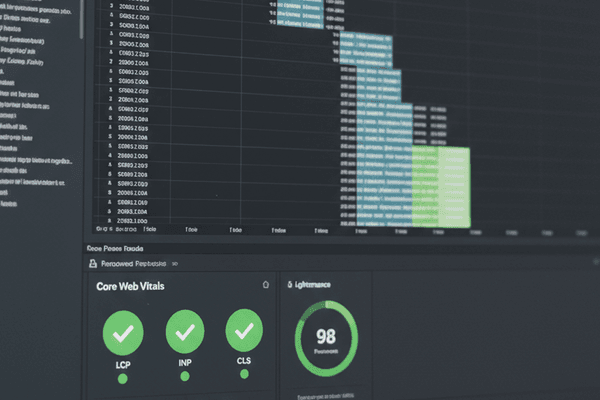
When every page is a static file served from the nearest CDN edge node, performance is exceptional:
- Time to First Byte (TTFB) under 50ms globally
- No server-side processing delays
- Natural scalability — CDNs handle traffic spikes without configuration
- Built-in redundancy — Content is replicated across dozens of edge locations
Security Benefits
With no server, database, or CMS to attack, the attack surface of a JAMstack site is dramatically reduced. There are no server-side vulnerabilities to exploit, no database to inject into, and no CMS admin panel to compromise.
The Modern JAMstack Toolchain
The ecosystem has matured rapidly:
- Static Site Generators: Gatsby, Next.js, Nuxt.js, Hugo, Eleventy
- Headless CMS: Contentful, Strapi, Sanity, Netlify CMS
- Hosting: Netlify, Vercel, Cloudflare Pages, AWS Amplify
- Serverless Functions: AWS Lambda, Netlify Functions, Vercel Serverless
When JAMstack Makes Sense
JAMstack excels for content-driven sites, marketing pages, documentation, blogs, and e-commerce frontends. It is less suited for applications that require real-time server-side processing or complex server-state management.
The sweet spot is any site where content changes less frequently than it is read — which describes the vast majority of the web.
Getting Started
- Choose a static site generator that fits your team's skillset
- Select a headless CMS for content management
- Deploy to a CDN-first hosting platform
- Use serverless functions for dynamic features like forms and search
The JAMstack approach delivers better performance, security, and developer experience. For many projects, it is the clear choice over traditional server-rendered architectures.