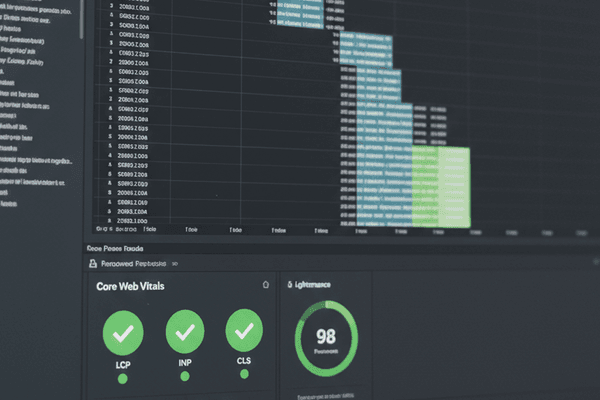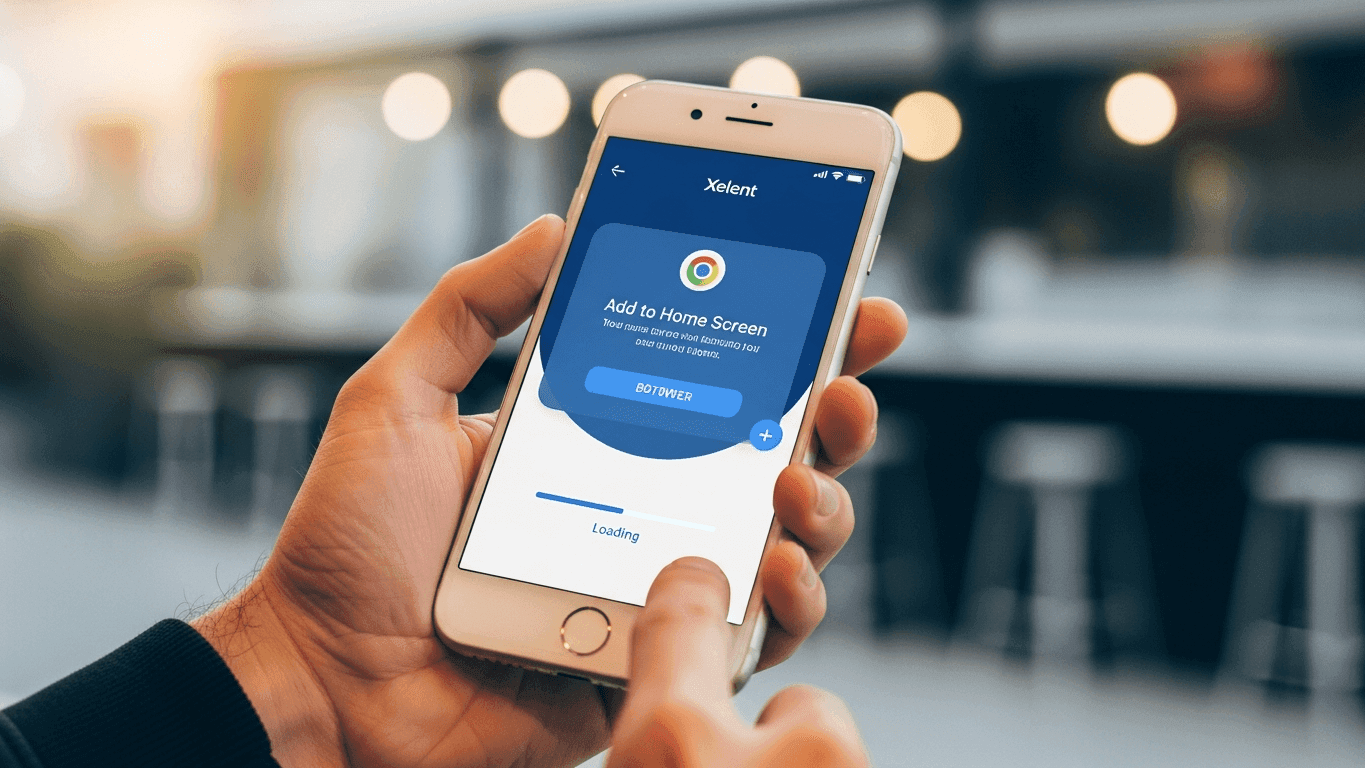
Progressive Web Apps (PWAs) represent a paradigm shift in how we think about mobile applications. By combining the reach of the web with the capabilities of native apps, PWAs offer a compelling alternative to traditional app development.
What Makes an App Progressive?
A PWA is a web application that uses modern browser features to deliver an app-like experience. The key characteristics include:
- Reliable — Loads instantly, even in uncertain network conditions
- Fast — Responds quickly to user interactions with smooth animations
- Engaging — Feels like a native app with immersive full-screen experiences
These qualities are achieved through three core technologies: service workers for offline functionality, web app manifests for installability, and HTTPS for security.
Service Workers: The Game Changer
Service workers are JavaScript files that run in the background, separate from the web page. They act as a programmable network proxy, enabling features previously exclusive to native apps:
- Offline access — Cache critical resources for use without internet connectivity
- Background sync — Queue actions taken offline and sync when connectivity returns
- Push notifications — Re-engage users even when the browser is closed
Real-World Success Stories
Major companies have seen remarkable results with PWAs:
Twitter Lite reduced data consumption by 70% and increased tweets sent by 75%. Alibaba saw a 76% increase in conversions across browsers after implementing their PWA. Pinterest rebuilt their mobile experience as a PWA and saw a 60% increase in core engagement.
PWAs vs Native Apps
| Feature | PWA | Native App |
|---|---|---|
| Distribution | URL, no app store | App store required |
| Updates | Automatic | Manual download |
| Size | Typically under 1MB | Often 50MB+ |
| Development cost | Single codebase | Platform-specific |
| Offline support | Yes (service workers) | Yes |
| Device APIs | Growing support | Full access |
Getting Started
Building a PWA starts with a solid web application. The progressive enhancement approach means you can add PWA features incrementally:
- Serve your site over HTTPS
- Create a web app manifest
- Register a service worker for offline caching
- Implement an app shell architecture
- Add push notification support
The Future of PWAs
Browser support for PWA features continues to expand. With Apple improving Safari's support for service workers and Microsoft integrating PWAs into the Windows Store, the ecosystem is maturing rapidly.
For businesses looking to reach mobile users without the overhead of native app development, PWAs offer an increasingly viable and cost-effective solution.