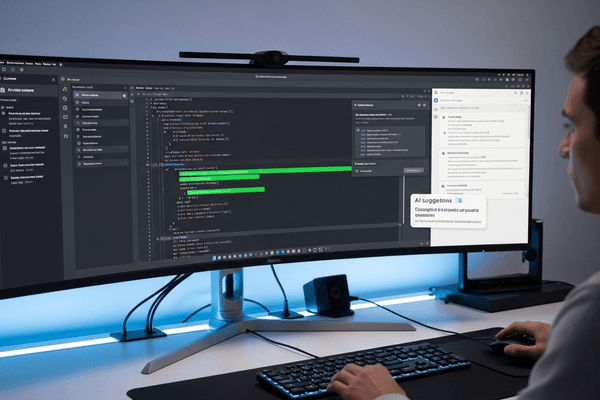
The COVID-19 pandemic forced the largest remote work experiment in history. Practically overnight, millions of knowledge workers shifted from offices to home setups. The companies that adapted fastest were those with robust digital infrastructure.
The Technology Challenge
Remote work requires more than video conferencing. Effective distributed teams need:
- Asynchronous communication tools that work across time zones
- Real-time collaboration on documents, designs, and code
- Project management systems that provide visibility without micromanagement
- Security infrastructure that protects company data on personal devices
Building for Distributed Teams
Communication Layers
Successful remote organizations use multiple communication channels, each serving a specific purpose:
- Instant messaging (Slack, Teams) for quick questions and informal discussion
- Video calls for meetings that require face-to-face interaction
- Documentation (Confluence, Notion) for decisions and knowledge that need to persist
- Email for external communication and formal correspondence
Collaborative Development
Development teams need additional tools for effective remote collaboration:
- Version control with Git workflows that enable asynchronous code contributions
- Code review platforms that facilitate thorough, asynchronous reviews
- CI/CD pipelines that validate changes automatically
- Shared development environments that eliminate "works on my machine" problems
Lessons from the Transition
Over-communicate
In a remote setting, information does not travel through overheard conversations or hallway encounters. Teams must be intentional about sharing context, decisions, and updates.
Document Everything
Written documentation becomes the backbone of a remote organization. Meeting notes, decision records, and architectural decisions should all be captured and accessible.
Trust Over Surveillance
Monitoring tools that track keystrokes and screenshots destroy trust and morale. Effective remote management focuses on outcomes and deliverables, not hours spent at a desk.
Invest in Home Setups
Providing employees with proper equipment — monitors, keyboards, ergonomic chairs — is not a perk but a productivity investment.
The Future of Work
The pandemic accelerated trends that were already underway. Remote and hybrid work are here to stay. The companies that build the best tools and practices for distributed collaboration will attract top talent regardless of geography.
At Xelent Solutions, we have embraced remote work and have seen productivity increase. The key is investing in the right tools, establishing clear processes, and building a culture of trust and accountability.